Skip to content
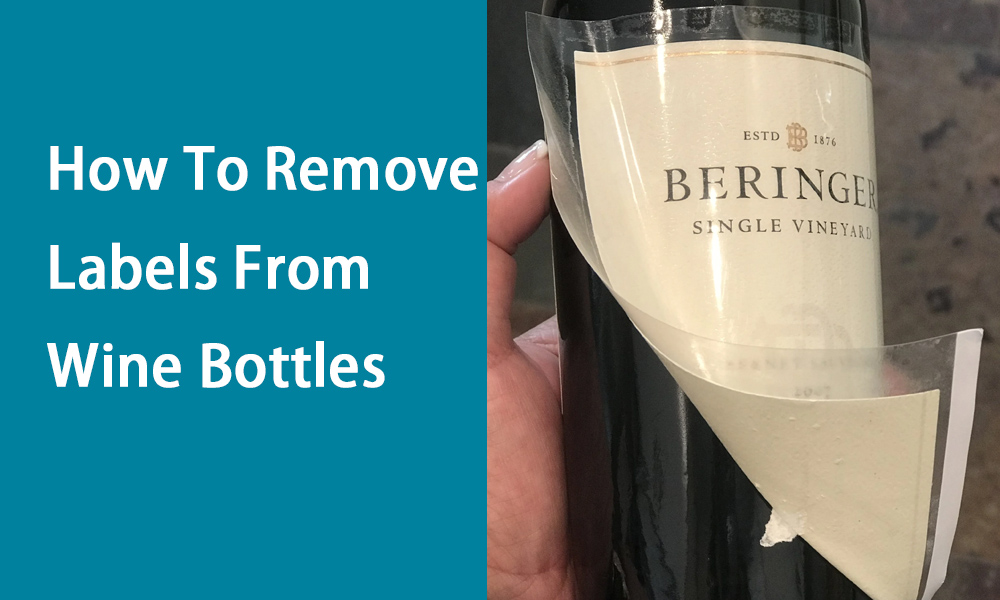
Removing labels from wine bottles looks simple at first glance. Many people believe that warm water alone can solve the problem. In reality, different bottles use different label papers and different glues. Each type of glue reacts in its own way to water, heat, oil, or cleaning agents. This article explains how to remove labels from wine bottles.
Why People Want To Remove Labels From Wine Bottles
People remove wine bottle labels for many clear reasons. Each reason affects which method works best.
Many people remove wine bottle labels for crafts, storage, home brewing, candle making, or display. Some businesses also remove labels for reuse or testing. No matter the reason, the right method saves time and avoids damage.
Each goal needs a clean bottle surface. A clean bottle surface means no paper, no glue, and no sticky feel.
What Makes Wine Bottle Labels Hard To Remove
Wine bottle labels stay on bottles because producers want them to survive transport, cold storage, and moisture. The glue is not random.
Main Factors That Affect Label Removal
- The label paper type affects how easily water can soak in.
- The glue type affects how it reacts to heat or oil.
- The bottle surface affects how strongly the glue sticks.
- The label age affects how dry or hard the glue becomes.
Old bottles often feel harder to clean, but newer bottles can also resist simple methods.
Types Of Wine Bottle Labels And Glue
Paper Labels With Water-Based Glue
Many traditional wine bottles use paper labels and water-based glue.
- Warm water often softens this glue.
- Time plays a big role in success.
- Gentle scraping usually finishes the job.
Paper Labels With Strong Resin Glue
Many modern brands use stronger glue for better shelf life.
- Water alone often fails.
- Heat or oil works better.
- Residue usually remains after paper removal.
Plastic Or Film Labels
Some bottles use plastic labels instead of paper.
- Water does not soak into plastic.
- Heat helps loosen the edges.
- Solvents often remove glue residue.
Safety And Preparation Before Label Removal
Every safe process starts with preparation. This rule applies at home and in factories.
What You Should Prepare
You should prepare the following items:
- Warm water
- Dish soap
- Baking soda
- A bucket or sink
- A sponge or cloth
- A plastic scraper or old card
- Cooking oil or alcohol
- Gloves for hand safety
Preparation prevents frustration and glass damage.
Method 1: Soaking Wine Bottles In Warm Water
Warm water soaking is the most common method. Many people start here because it feels safe and simple.
Step-By-Step Instructions
- Fill a sink or bucket with warm water.
- Place the wine bottle fully under the water.
- Let the bottle soak for 30 to 60 minutes.
- Test the label edge with your finger.
- Peel the label slowly from one corner.
- Scrape remaining paper gently.
This method works best for paper labels with weak glue.
When This Method Works Best
- New bottles often respond well.
- Paper labels soften evenly.
- No strong smell appears.
When This Method Fails
- Plastic labels stay stiff.
- Strong glue stays sticky.
- Old labels break into pieces.
Method 2: Hot Water And Baking Soda
Hot water with baking soda improves soaking power. Many people prefer this method for tougher labels.
Why Baking Soda Helps
Baking soda changes water tension. Baking soda also weakens glue bonds over time.
Step-By-Step Instructions
- Fill a bucket with hot water.
- Add three to four tablespoons of baking soda.
- Place the bottle under the water.
- Soak the bottle for one to two hours.
- Peel the label using your fingers or a scraper.
- Rinse the bottle with clean water.
This method removes both paper and glue in many cases.
Safety Notes
- Hot water needs careful handling.
- Glass bottles should not face sudden heat changes.
Method 3: Using Heat From An Oven Or Hair Dryer
Heat softens glue quickly. This method works well when soaking fails.
Oven Method Instructions
- Preheat the oven to a low temperature, around 180°F (80°C).
- Place empty bottles on a baking tray.
- Heat the bottles for 5 to 10 minutes.
- Remove the bottles carefully.
- Peel labels while the glue is warm.
- Wipe glue residue with a cloth.
Hair Dryer Method Instructions
- Turn the hair dryer to a high heat setting.
- Aim the heat at the label for one to two minutes.
- Peel the label slowly from one corner.
- Remove leftover glue with oil or soap.
Best Use Cases
- Plastic labels respond well to heat.
- Fast results matter for small batches.
Method 4: Using Cooking Oil Or Peanut Butter
Oil breaks down glue bonds gently. Many people use oil when labels leave sticky residue.
How Oil Works On Glue
Oil dissolves glue slowly. Oil reduces stickiness without damaging glass.
Step-By-Step Instructions
- Remove as much paper as possible.
- Apply oil or peanut butter to the glue area.
- Let it sit for 10 to 30 minutes.
- Wipe the glue away with a cloth.
- Wash the bottle with dish soap.
This method works well for finishing touches.
Method 5: Using Vinegar Or Alcohol
Vinegar and alcohol help dissolve glue. These liquids evaporate quickly.
Vinegar Method
- Apply white vinegar to a cloth.
- Rub the glue area gently.
- Rinse with water after cleaning.
Alcohol Method
- Use rubbing alcohol or high-proof spirits.
- Rub the glue until it loosens.
- Clean the bottle with soap afterward.
These methods work best on light glue residue.
Comparison Table: Label Removal Methods
| Method | Best For | Time Needed | Glue Removal |
|---|---|---|---|
| Warm Water | Paper labels | Medium | Weak |
| Baking Soda | Mixed labels | Long | Medium |
| Heat | Plastic labels | Short | Strong |
| Oil | Sticky residue | Short | Medium |
| Alcohol | Light glue | Short | Light |
How To Remove Labels Without Scratching Glass
Glass scratches easily. Care prevents damage.
Safe Tools To Use
You should use:
- Plastic cards
- Soft sponges
- Micr
Tools To Avoid
You should avoid:
- Metal knives
- Steel wool
- Hard brushes
Clean glass keeps bottles useful and presentable.
How To Get A Completely Clean Bottle Surface
A clean bottle surface means no smell and no sticky feel.
Final Cleaning Steps
- Wash the bottle with dish soap.
- Rinse with warm water.
- Dry the bottle fully.
- Check the surface under light.
Clean glass feels smooth and clear.
Reusing Wine Bottles After Label Removal
Many people reuse bottles creatively.
Popular Reuse Ideas
- Candle holders
- Home brewing bottles
- Flower vases
- Storage containers
- Decorative displays
Clean bottles support many projects.
The Role Of Labeling Machines In Bottle Handling
Label removal shows the opposite side of labeling. Both processes need accuracy.
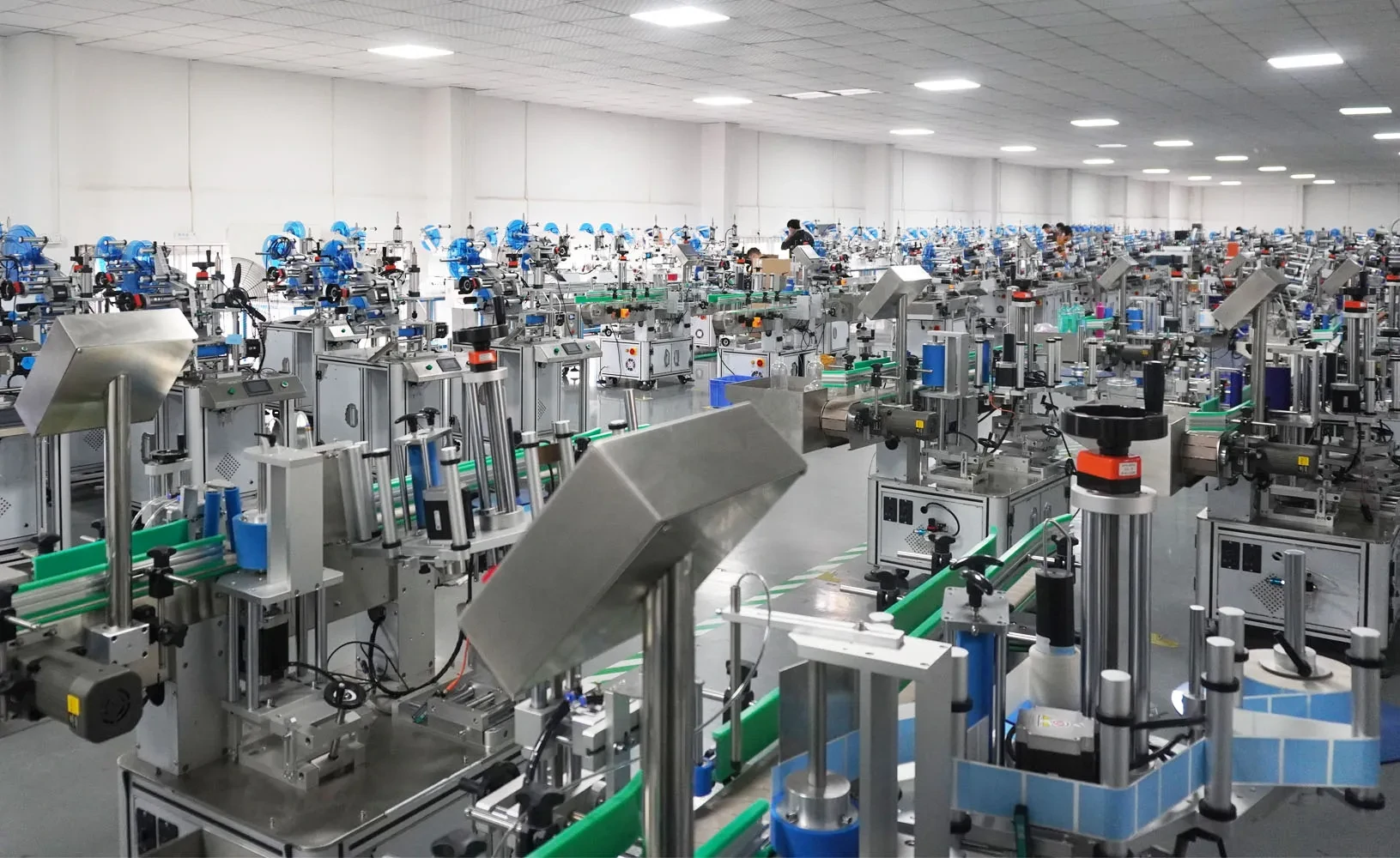
As a labeling machine manufacturer, Autmachine works closely with bottle producers and packaging lines. Many customers care about label placement, glue control, and clean removal during testing or product changes. This experience helps Autmachine understand how glue choice and label materials affect the full life cycle of a bottle.
Good labeling design makes both application and removal easier. This balance matters for reuse, recycling, and small-batch testing.
Get Your Perfect Labeling Machine Today
Send samples or visit for a live demo!
FAQ
The easiest way to remove labels from wine bottles is soaking them in warm water with dish soap. This method works well for most paper labels and water-based glue.
Most wine bottles need to soak for 30 to 60 minutes. Thick or older labels may need more time to loosen completely.
A person can remove sticky glue by using vinegar, rubbing alcohol, or cooking oil. These liquids break down adhesive and wipe away easily.