Skip to content
In today’s competitive manufacturing and packaging landscape, efficiency, consistency, and compliance are no longer optional—they are essential. One question many business owners and production managers ask is: Is a labeler machine worth the investment?
The short answer is yes, for most growing or production-focused businesses, a labeler machine quickly pays for itself. However, the real value depends on production volume, labor costs, labeling accuracy requirements, and long-term scalability.
This article takes a deep dive into what a labeler machine is, how it compares to manual labeling, and whether the investment makes financial and operational sense for your business.
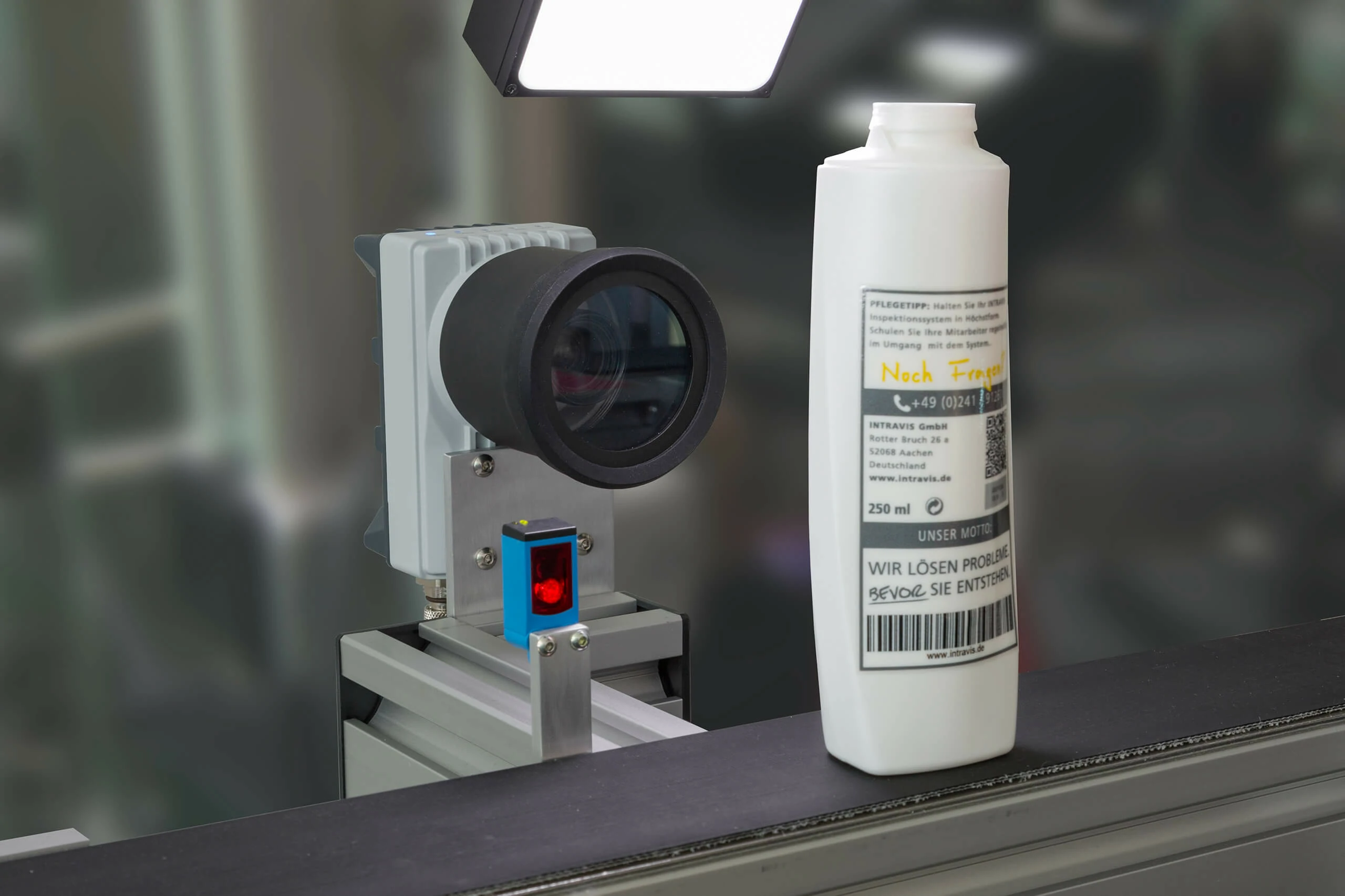
What Is a Labeler Machine?
A labeler machine (also called a labeling machine or label applicator) is a piece of equipment designed to automatically or semi-automatically apply labels to products, containers, or packaging.
Labeler machines are widely used in industries such as:
- Food and beverage
- Cosmetics and personal care
- Pharmaceuticals and medical devices
- Packaging and printing
- Chemicals and household products
- Logistics and e-commerce
Depending on the model, a labeler machine can apply labels to round bottles, flat surfaces, square containers, pouches, cartons, jars, and more.
Why Businesses Consider Investing in a Labeler Machine
Most businesses begin labeling products manually. While manual labeling may work at very small volumes, it quickly becomes inefficient as production grows.
The main reasons companies consider a labeler machine include:
- Rising labor costs
- Increasing order volumes
- Inconsistent label placement
- Compliance and traceability requirements
- The need for a more professional product appearance
The investment decision usually comes down to cost versus long-term value.
Manual Labeling vs. Labeler Machine
Labor Efficiency
Manual labeling requires constant human involvement. One worker may label only 300–600 units per hour, depending on complexity and fatigue.
A labeler machine can label:
- 1,000–6,000+ units per hour, depending on automation level
Over time, this difference translates into significant labor savings.
Consistency and Accuracy
Manual labeling often leads to:
- Crooked labels
- Wrinkles or bubbles
- Misaligned branding
A labeler machine applies labels with consistent pressure, alignment, and repeatability, which is critical for retail presentation and brand trust.
Production Scalability
Manual labeling limits growth. A labeler machine allows businesses to:
- Increase output without adding staff
- Handle peak production periods
- Prepare for future expansion
Cost Breakdown: Is the Investment Justified?
Initial Equipment Cost
Labeler machines vary widely in price:
- Desktop semi-automatic labelers: $800–$3,000
- Fully automatic inline labelers: $5,000–$30,000+
While the upfront cost may seem high, it must be evaluated against ongoing labor and error costs.
Labor Cost Savings
Assume:
- One worker costs $18/hour
- Manual labeling takes 3 workers per shift
- A labeler machine replaces 2 of those workers
That alone can save $60,000+ per year, meaning the machine can pay for itself in months.
Reduced Waste and Rework
Labeling errors result in:
- Scrapped labels
- Rejected products
- Customer complaints
A labeler machine minimizes these losses, improving overall profitability.
Benefits of Investing in a Labeler Machine
1. Faster Production Speed
Labeler machines dramatically increase throughput, enabling businesses to meet tight deadlines and large orders without stress.
2. Professional Product Appearance
Clean, straight, and evenly placed labels enhance:
- Shelf appeal
- Brand credibility
- Customer trust
This is especially important for retail and export markets.
3. Improved Compliance
Industries such as food, cosmetics, and pharmaceuticals require:
- Accurate ingredient lists
- Batch codes and dates
- Traceability labeling
A labeler machine ensures repeatable, regulation-compliant labeling.
4. Long-Term Cost Control
Automation stabilizes production costs by reducing dependency on fluctuating labor availability and wages.
5. Better Workplace Ergonomics
Manual labeling is repetitive and tiring. Automation reduces worker fatigue and injury risk, improving overall shop-floor safety.
When a Labeler Machine May Not Be Worth It
Although labeler machines are valuable, they are not ideal for every situation.
A labeler machine may not be necessary if:
- Production volume is extremely low
- Labels change constantly in size or design
- Products are fully custom, one-off items
- Budget constraints are severe in early startup stages
In these cases, a semi-automatic or entry-level desktop labeler can be a smart compromise.
Choosing the Right Labeler Machine
To ensure the investment is worthwhile, businesses should consider:
Product Type
- Round bottles
- Flat cartons
- Irregular shapes
Each requires a different labeling solution.
Label Size and Material
- Paper vs. film labels
- Transparent or opaque
- With or without date coding
Production Speed Requirements
- Units per minute
- Single-lane or multi-lane integration
Future Growth
A scalable machine avoids costly replacements as production increases.
Industries Where Labeler Machines Deliver the Highest ROI
Labeler machines are particularly valuable in:
- Food & beverage packaging (bottles, jars, cans)
- Cosmetics manufacturing (jars, tubes, bottles)
- Pharmaceutical production (compliance labeling)
- Printing and packaging factories
- Chemical and industrial product labeling
In these industries, labeling accuracy and speed directly affect revenue and compliance.
Semi-Automatic vs. Fully Automatic Labeler Machines
Semi-Automatic Labelers
- Lower upfront cost
- Ideal for small to medium batches
- Require manual product placement
Fully Automatic Labelers
- Higher speed and automation
- Suitable for continuous production lines
- Best for large-scale manufacturing
Both options can be worth the investment depending on production needs.
Long-Term Value vs. Short-Term Cost
When evaluating whether a labeler machine is worth the investment, it is essential to look beyond the purchase price.
A labeler machine delivers value through:
- Labor savings
- Increased output
- Reduced errors
- Stronger brand presentation
- Operational scalability
For most businesses producing labeled products regularly, the long-term benefits far outweigh the initial cost.
Final Verdict: Is a Labeler Machine Worth the Investment?
Yes—a labeler machine is worth the investment for any business that values efficiency, consistency, and growth.
While manual labeling may work temporarily, automation becomes essential as production scales. A labeler machine not only reduces costs but also improves product quality, compliance, and customer perception.
If your business labels products daily or plans to expand, investing in the right labeler machine is not an expense—it is a strategic upgrade.
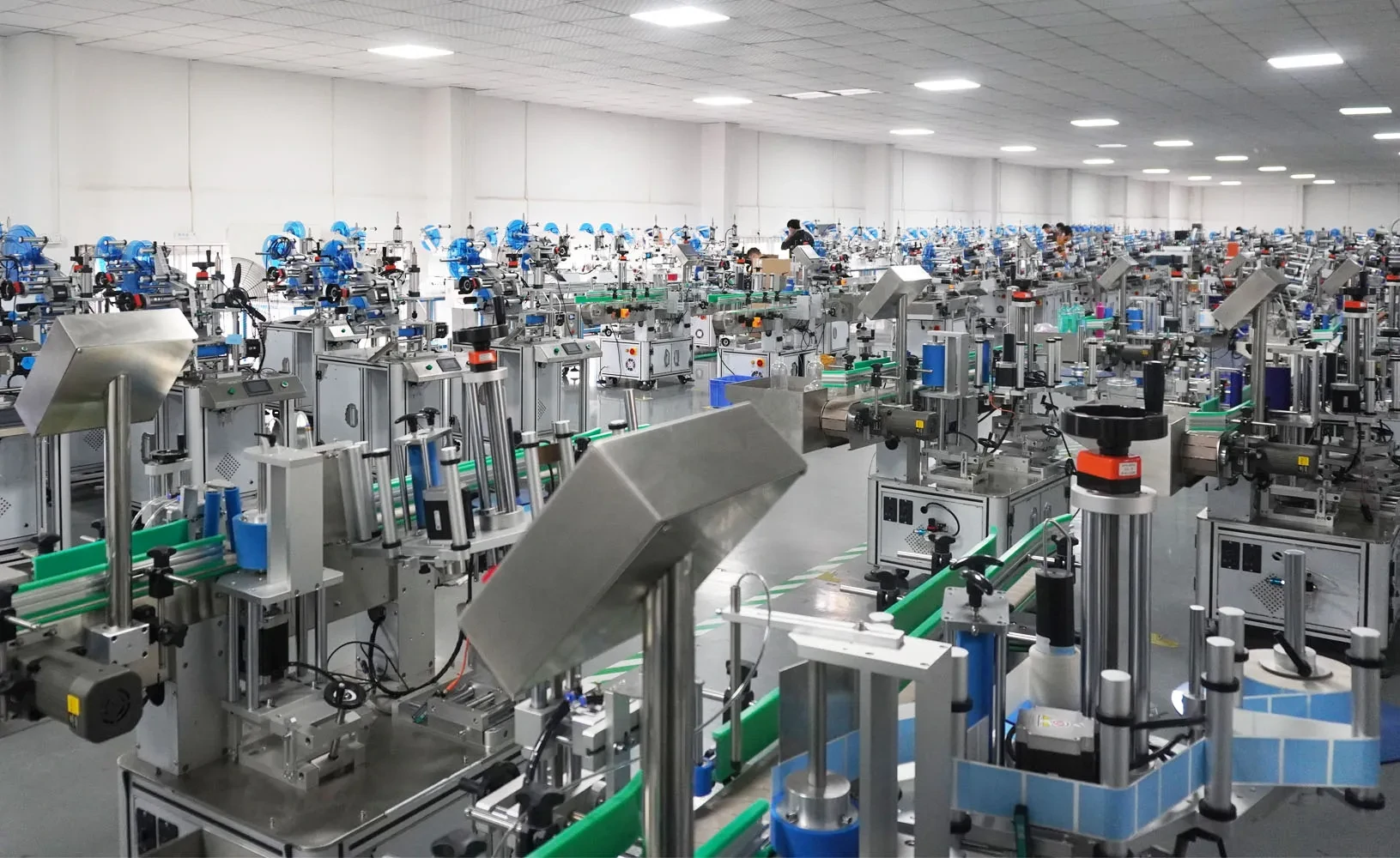
Get Your Perfect Labeling Machine Today
Send samples or visit for a live demo!